
Tea journal
Tasting notes, rituals and glimpses of the salon.
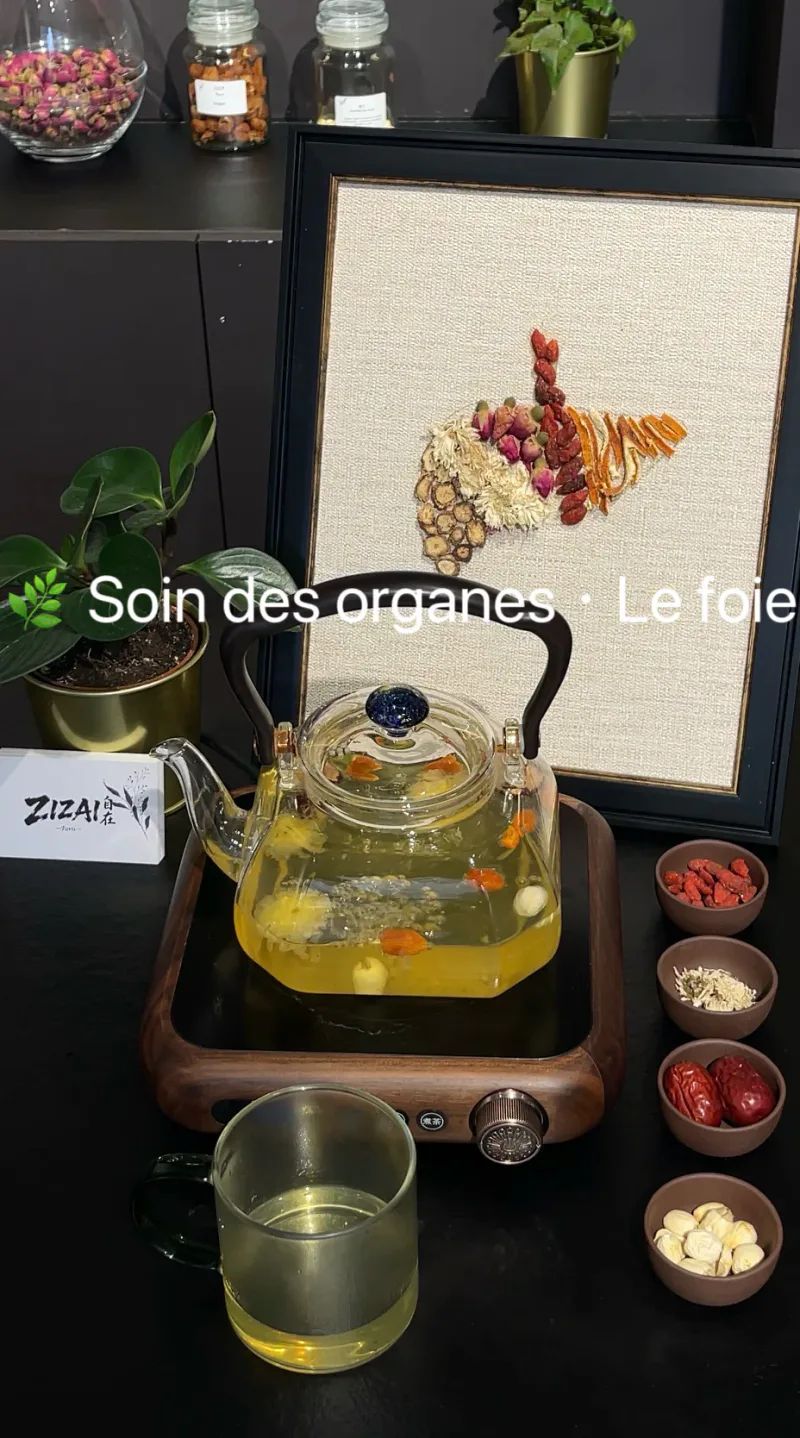
Video Wellnes
🌿 Wellness Infusion · for the Liver
In traditional Chinese culture, the liver has an important place in the overall balance of the body and is one of the five organs. Caring for the liver is therefore part of the holistic approach of Yangsheng, which emphasizes food, rest, daily habits, and overall balance. For this infusion, we have combined four ingredients traditionally used in Chinese wellness practices: jujube, lotus seed, chrysanthemum, and goji berry.
Watch the video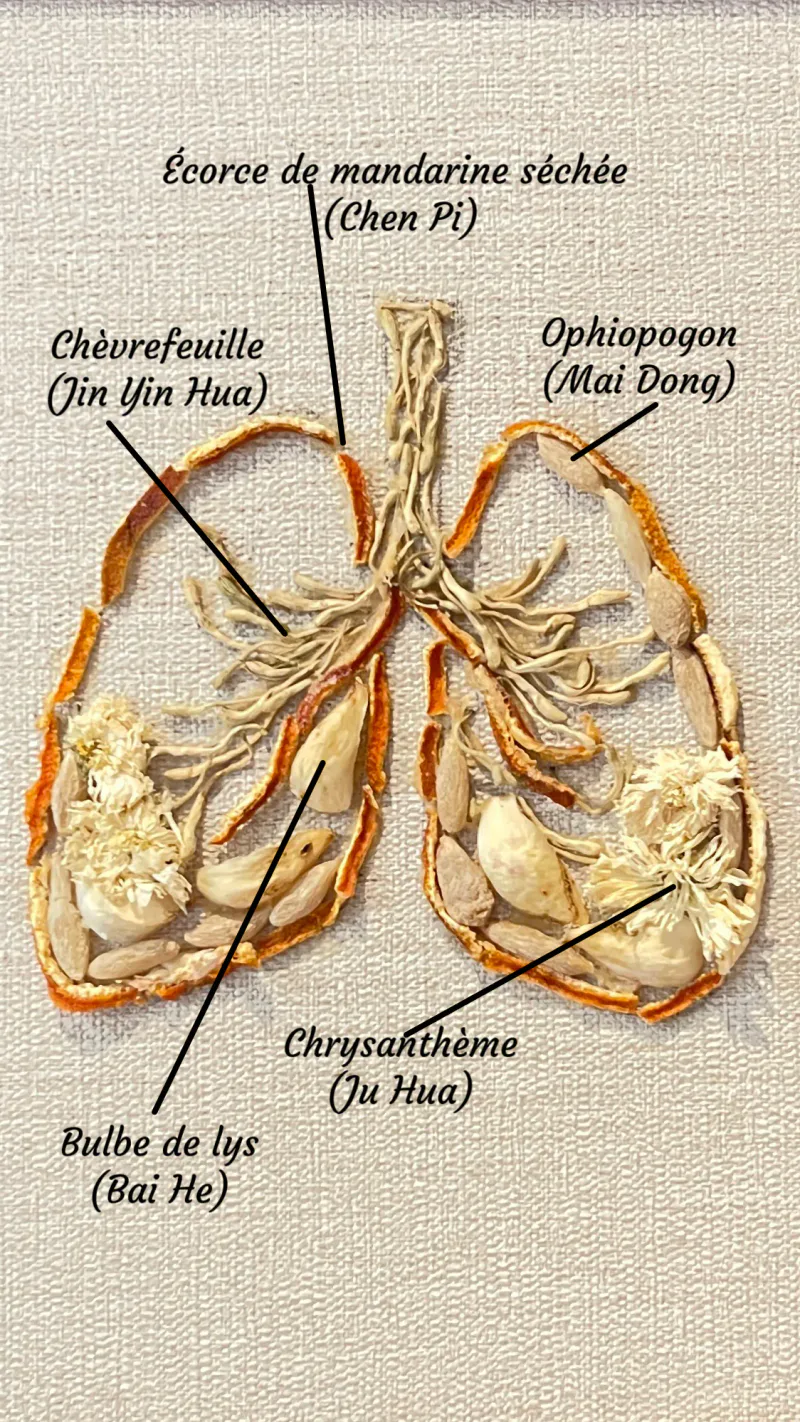
Article
🫁 5 Traditional Chinese Herbs for Lung Wellness
In Traditional Chinese Medicine (TCM), the lungs play an important role in the overall balance of the body. They are traditionally associated with breathing, the circulation of Qi, and the relationship between the body and its external environment. For centuries, certain plants and herbal ingredients have been traditionally used in Chinese practices as part of everyday wellness routines, particularly to support respiratory comfort and care for the throat and lungs. Among them are Chen Pi, Jin Yin Hua, Ju Hua, Bai He and Mai Dong.
Article
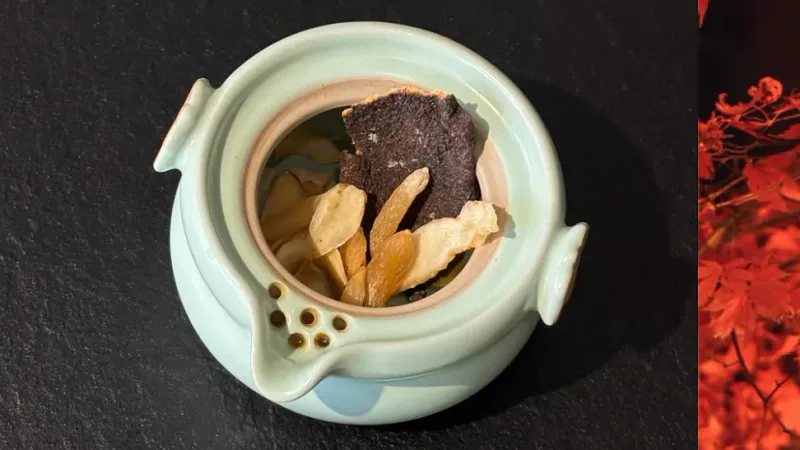
🍁 Autumn Changes the Rhythm of the Body: Understanding Seasonal Wellness in Chinese Tradition
🍂 Autumn Changes the Rhythm of the Body As temperatures begin to fall, daylight becomes shorter and the air feels drier, our daily routines naturally begin to change. We may sleep differently, seek more warmth and comfort, or experience greater fatigue or a feeling of dryness. In the traditional Chinese approach known as Yangsheng (养生) — the practice of caring for life and maintaining everyday balance — seasonal changes have an important place. The underlying idea is simple: Our bodies and daily habits naturally respond to changes in the environment around us. Autumn is therefore traditionally viewed as a period of transition, when it can be useful to gradually adjust our diet, daily rhythm and wellness habits.
Article
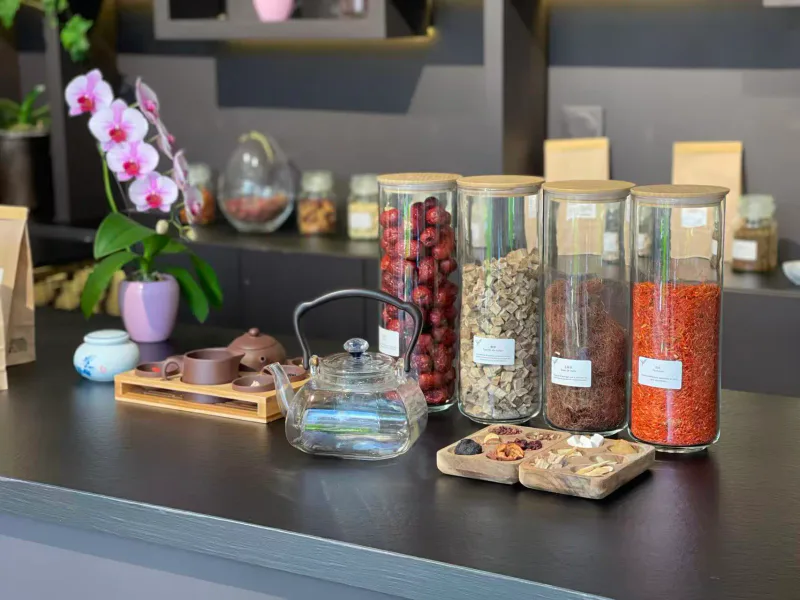
What Is Chinese Wellness? Understanding the Art of Yangsheng
What Is “Yangsheng”? In China, taking care of one's health does not only mean reacting when we become ill. There is a traditional approach known as “Yangsheng” (养生), which can be translated as “nourishing life” or “cultivating life.” Yangsheng is based on a simple idea: health and well-being are cultivated through everyday habits. It does not necessarily involve complicated rules. In Chinese tradition, taking care of oneself can include simple daily habits such as eating well, getting enough sleep, staying active, maintaining emotional balance, and making space for drinks and foods traditionally associated with well-being. Tea and herbal infusions are part of these everyday practices.
Video
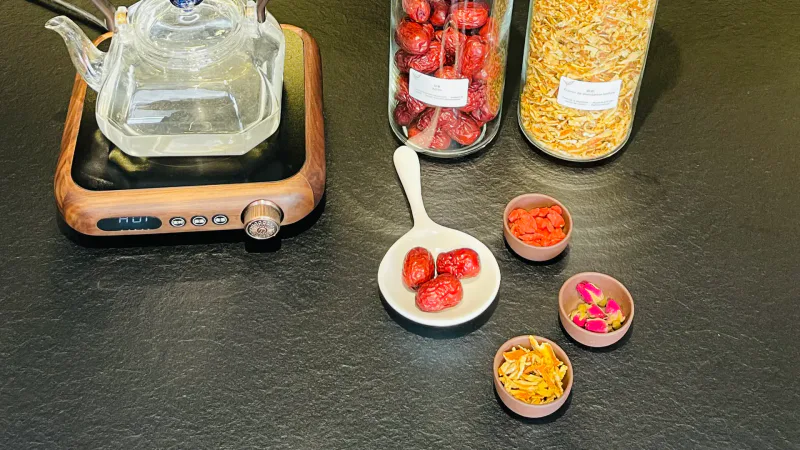
🌹 An Infusion for Balance & Vitality
A traditional herbal infusion to support everyday vitality, Qi balance, and emotional well-being.
Article
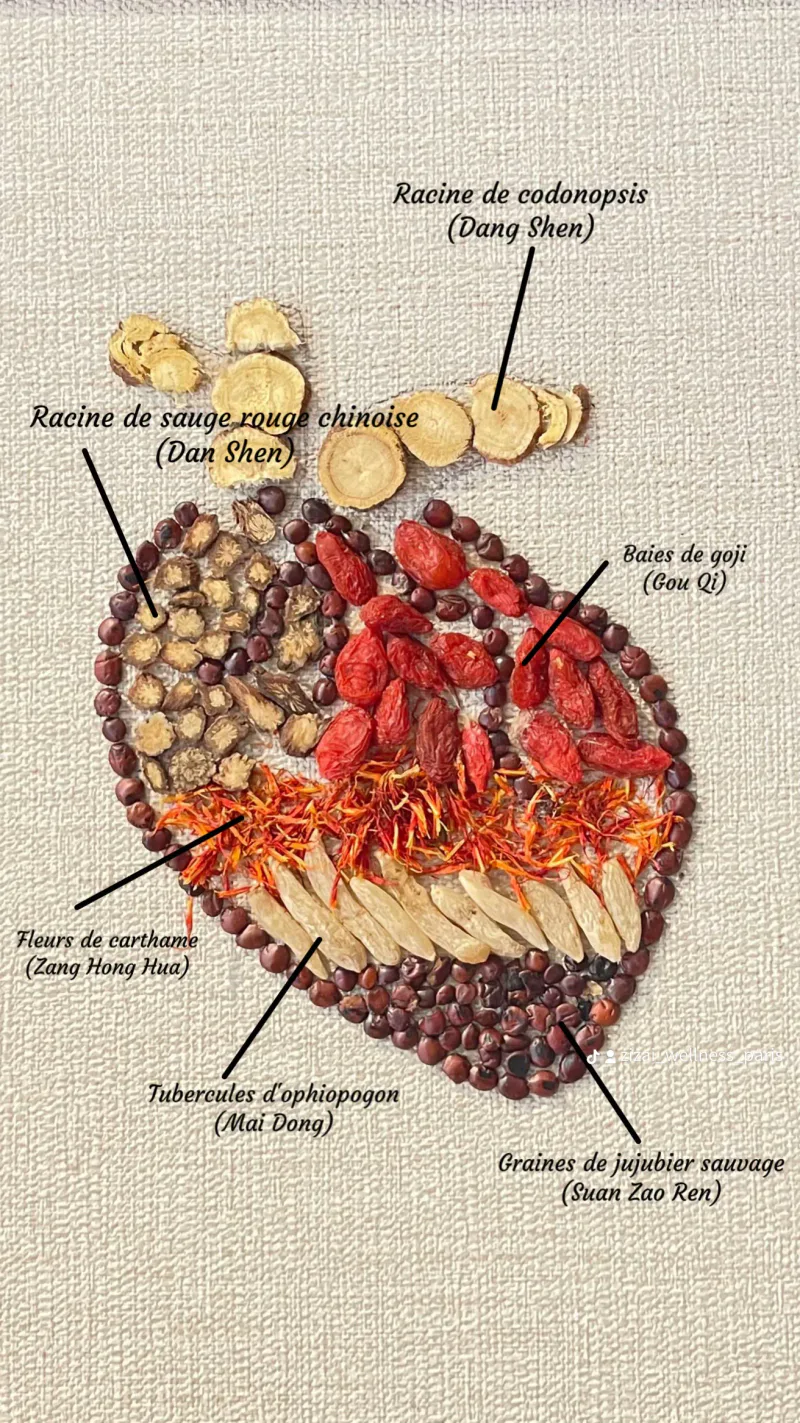
🫀6 Traditional Chinese Medicine herbs for heart health
Discover six iconic herbs from the Chinese tradition, traditionally associated with supporting the heart, circulation, and overall balance. A gentle approach to Chinese herbalism for daily self-care.